Colonialism, Independence, and the Construction of Nation-States
eBook - ePub

Colonialism, Independence, and the Construction of Nation-States

  1. English
  2. ePUB (mobile friendly)
  3. Available on iOS & Android
eBook - ePub

Colonialism, Independence, and the Construction of Nation-States

About this book

This book investigates studies on colonialism and anti-colonialism from Africa, the Middle East, Asia, and Latin America. The author begins by recounting the deleterious impact of colonialism and then focuses on the heady days of anti-colonialism nationalism. He traces how the system fell apart: leaders, especially those of the second-generation, often turned out to be inept and corrupt; structural obstacles led poor countries to continue to depend on the export of commodities; advanced countries promised to help, but did not prove useful; when growth was possible, here and there, the fruits of development were seldom distributed widely. This project will appeal to the academics, researchers, and students in the fields of comparative politics, development studies, government, and economics.

Tools to learn more effectively

Saving Books

Saving Books

Keyword Search

Keyword Search

Annotating Text

Annotating Text

Listen to it instead

Listen to it instead

Plates

See Figs. 1, 2, 3, 4, 5, 6, 7, 8, 9, 10, 11, 12, 13, 14, 15, and 16.
../images/498377_1_En_BookBackmatter_Fig1_HTML.webp
Fig. 1
Delagoa Bay, Mozambique. Photographer unknown. Circa 1880s. Delagoa Bay was an outlet for ivory and slaves, and as a way station for Indian Ocean trade. Ownership was contested by the Portuguese, Dutch, British, and Boers, until by arbitration it was awarded to Portugal. Mozambique did not become free from Portuguese colonialism until 1975
../images/498377_1_En_BookBackmatter_Fig2_HTML.webp
Fig. 2
The harbor of Hong Kong. Photographer unknown. Circa 1870s. Throckmorton Fine Art, New York. Hong Kong became a colony of the British Empire in 1842. A negotiated settlement led Hong Kong being returned to China in 1997
../images/498377_1_En_BookBackmatter_Fig3_HTML.webp
Fig. 3
The harbor of Ho Chi Minh City, also known by its former name of Saigon. Paul Gastaldy. Circa 1930s. The French began trading in Vietnam in 1615. In 1862 the southern third of Vietnam became the French colony of Cochinchina. By 1884, the entire country had come under French rule. The French did not leave Vietnam until being militarily ousted in 1954
../images/498377_1_En_BookBackmatter_Fig4_HTML.webp
Fig. 4
A Chinese peasant in a fish pond. Photographer unknown. Circa 1920s. In the 1920s, over 95% of Chinese lived in rural areas. Beginning in 2012, China had more urban dwellers than rural residents. A wide gap of per capita income remains between rural residents and their more prosperous urban brethren
../images/498377_1_En_BookBackmatter_Fig5_HTML.webp
Fig. 5
Drying coffee beans in Mexico. C. A. Lesher. 1925. Coffee is native to Ethiopia. Coffee cultivation was spread throughout the world, from Indonesia to Brazil, by Europeans. The cultivation of coffee in Mexico began at the end of the eighteenth century
../images/498377_1_En_BookBackmatter_Fig6_HTML.webp
Fig. 6
Installations of the Cerro de Pasco Copper Corporation, La Oroya, Peru. Photographer unknown. 1936. The mine at Cerro de Pasco, Peru once funneled silver to the Spanish Crown. In 1903, the world’s highest railroad completed its 200-mile cut into the Andes. It brought Americans of the Cerro de Pasco Corporation, which bought and ran the mine. Copper dominated, but silver was still found. Investors included J. P. Morgan, Henry Clay Frick, and members of the Vanderbilt family. In the 1950s, copper gave way to zinc and lead, with most now shipped to China. Peru derives one-sixth of its gross domestic product (GDP) from minerals
../images/498377_1_En_BookBackmatter_Fig7_HTML.webp
Fig. 7
Mahatma Gandhi at his spinning wheel. Margaret Bourke-White. 1946. Throckmorton Fine Art, New York
../images/498377_1_En_BookBackmatter_Fig8_HTML.webp
Fig. 8
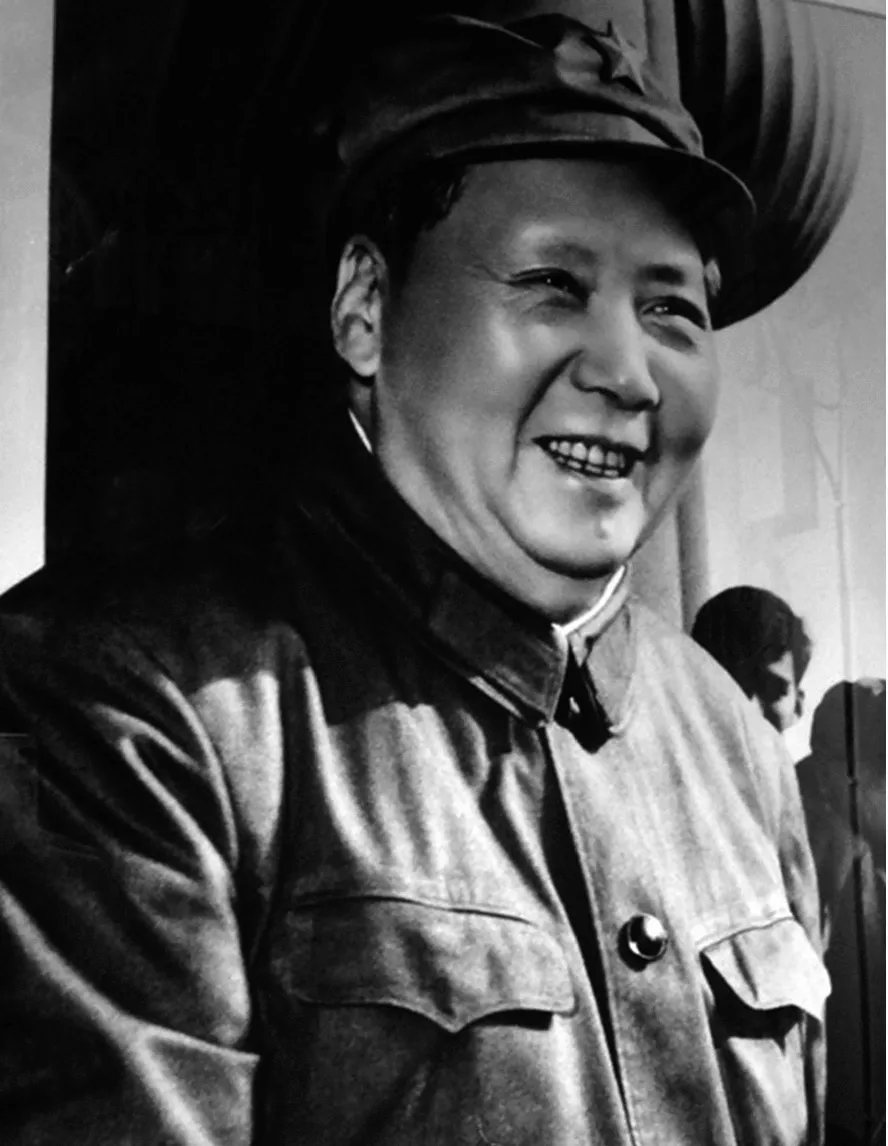
Mao Zedong. Hou Bo. Circa 1960. Throckmorton Fine Art, New York
../images/498377_1_En_BookBackmatter_Fig9_HTML.webp
Fig. 9
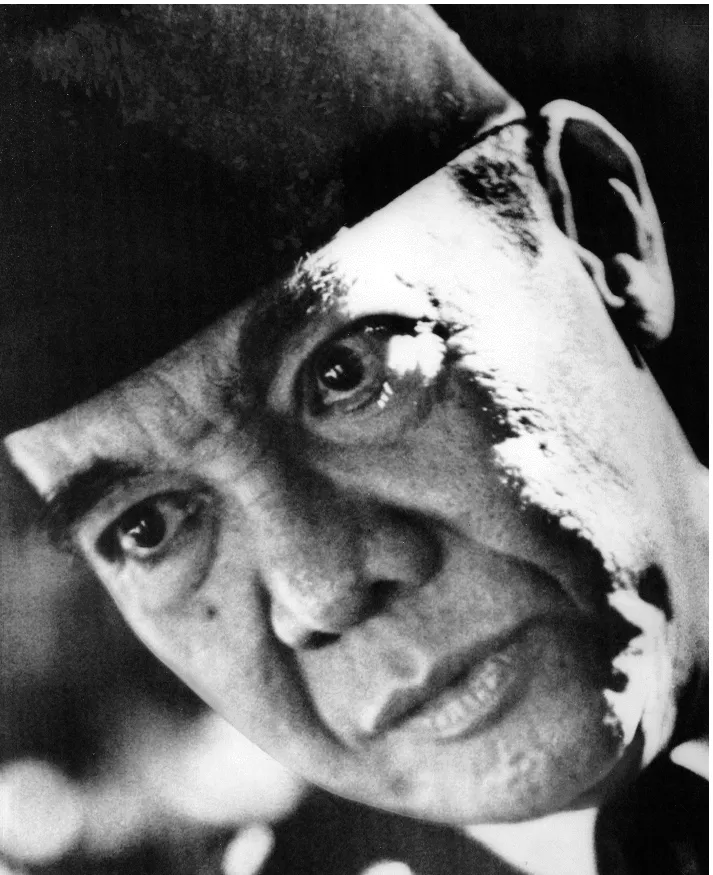
Sukarno. Photographer unknown. Circa 1960s. Sukarno was the leader of Indonesia’s struggle for independence from the Dutch, and he served as Indonesia’s first president. The Dutch did not recognize Indonesia’s independence until 1949
../images/498377_1_En_BookBackmatter_Fig10_HTML.webp
Fig. 10
Vietnamese independence fighters. Photographer unknown. Circa 1950s. There was almost continuous fighting in Vietnam from the Japanese invasion of the country in 1940 to the unification of the country in 1975
../images/498377_1_En_BookBackmatter_Fig11_HTML.webp
Fig. 11
Algerian independence fighters. Photographer unknown. Circa 1960. The French began their invasion of Algeria in 1830, but the country was not completely conquered until 1875. A combination of violence and disease caused the indigenous population to decline by one third during this 45-year period. The Algerian struggle for independence stretched from 1954 to 1962
../images/498377_1_En_BookBackmatter_Fig12_HTML.webp
Fig. 12
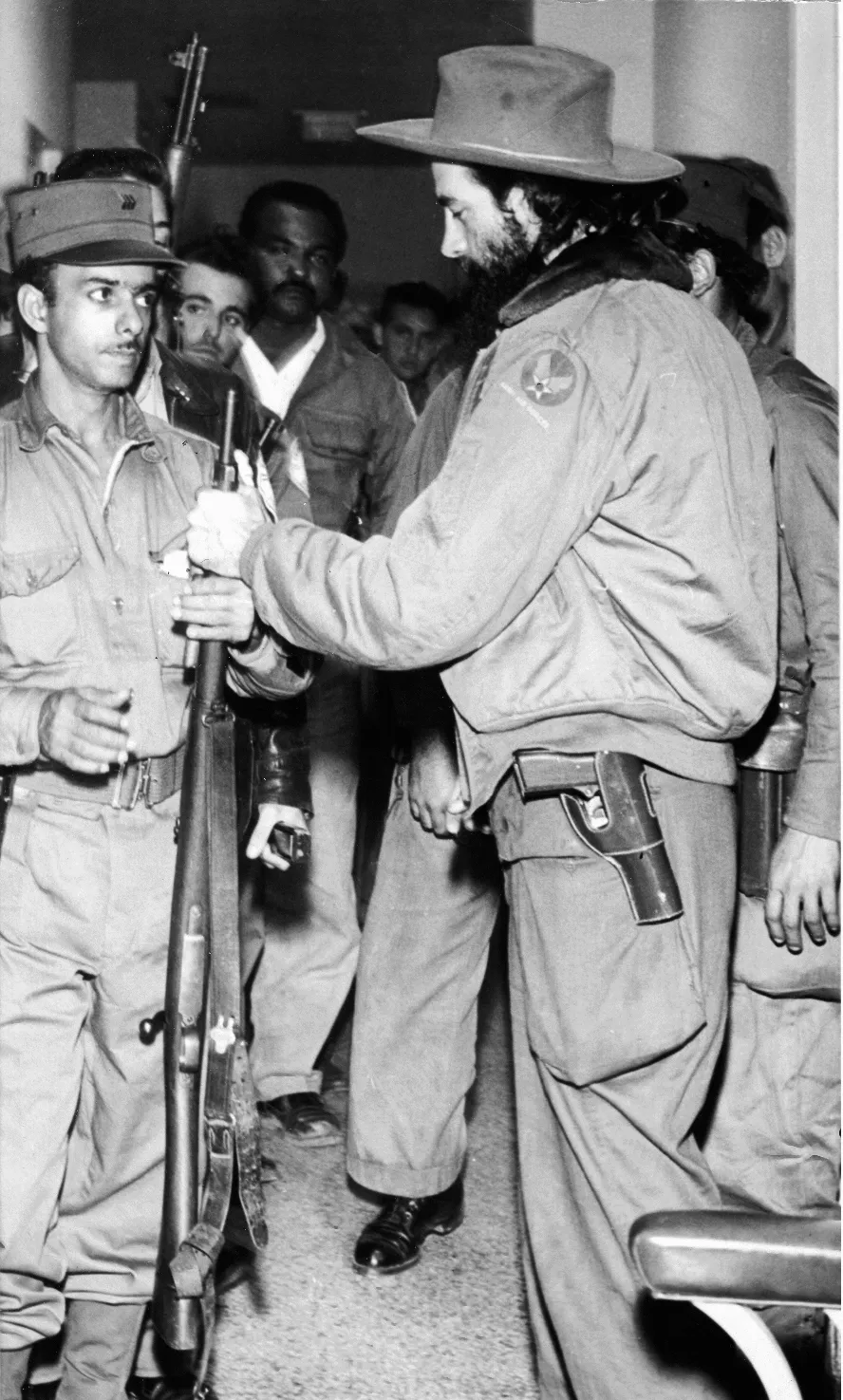
The Cuban revolutionary Camilo Cienfuegos receiving weapons after the triumph of the Cuban Revolution on January 1, 1959. Photographer unknown. 1959
../images/498377_1_En_BookBackmatter_Fig13_HTML.webp
Fig. 13
Fallen statue of the hero of Ghana’s independence, Kwame Nkrumah. Photographer unknown. 1967. Ghana became independent in 1957, with Nkrumah being the first head-of-state. He was deposed in a coup d’état in 1967
../images/498377_1_En_BookBackmatter_Fig14_HTML.webp
Fig. 14
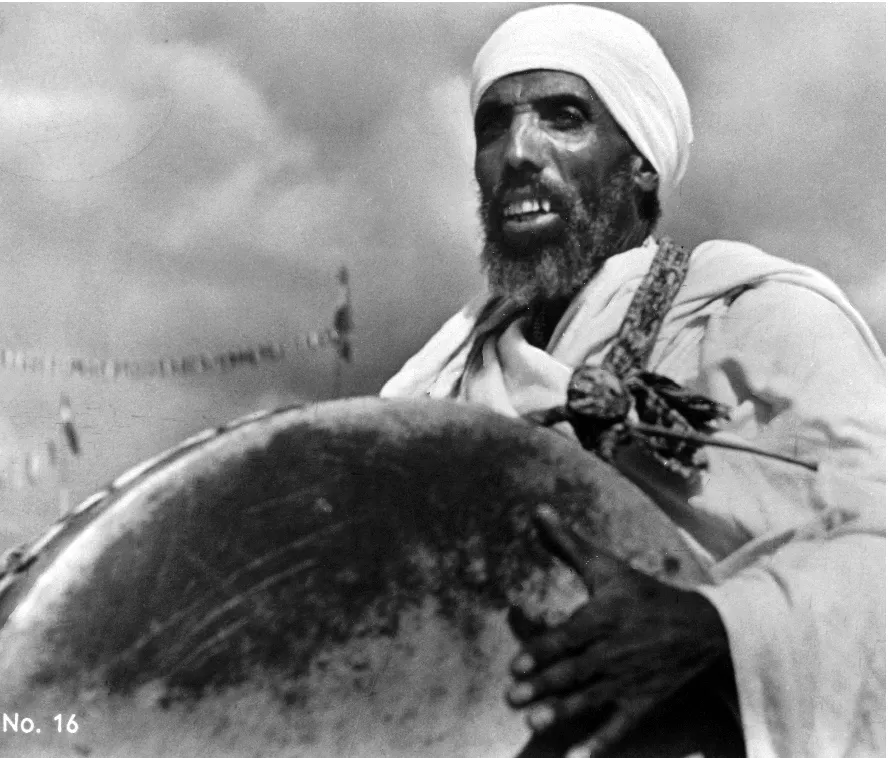
An Ethiopian at a celebration. Photographer unknown. Circa 1960s. Ethiopia is the only country in Africa not to have been colonized by Europeans (though it was invaded and briefly occupied by the Italians). In 1974, the Emperor Haile Selassie was deposed in a coup d’état, and the military regime that took power attempted a radical transformation of the country, one of the poorest in the world. Guiding principles of the Ethiopian Revolution came from Marxism-Leninism
../images/498377_1_En_BookBackmatter_Fig15_HTML.webp
Fig. 15
Scene from a demonstration in Angola. Photographer unknown. Circa 1970. Angola was long a Portuguese colony, dating back to the sixteenth century with the establishment of coastal settlements and trading posts. After a protracted struggle, independence was achieved in 1975, but the country was convulsed by a civil war that lasted until 2002
../images/498377_1_En_BookBackmatter_Fig16_HTML.webp
Fig. 16
Nicaraguan peasant at the Hacienda la Reforma, Carazo, Nicaragua. Celeste González. 1984. The era of the “Third World” can be said to have begun with India’s independence in 1947 and the Chinese Revolution of 1949, and to have ended with the Iranian Revolution and the Nicaraguan Revolution, both taking place in 1979
Bibliography
  1. African Party for the Independence of Guinea Bissau and the Cape Verde Islands (PAIGC). Manual PolĂ­tico do PAIGC. Lisbon: EdicĂŽes Maria da Fonte, 1974.
  2. Anderson, Perry. “After Nehru.” London Review o...

Table of contents

  1. Cover
  2. Front Matter
  3. Introduction
  4. A Tumultuous Transition
  5. European Imperialism and the Remaking of the World
  6. Emancipation and the Quest for “Development”
  7. Good-Bye to the “Third World”
  8. Asia Looms Over Latin America, Africa, and the Middle East
  9. Captive to Commodities
  10. Nicaragua as a Sobering Illustration
  11. Seeking a New Compass
  12. Back Matter

Frequently asked questions

Yes, you can cancel anytime from the Subscription tab in your account settings on the Perlego website. Your subscription will stay active until the end of your current billing period. Learn how to cancel your subscription
No, books cannot be downloaded as external files, such as PDFs, for use outside of Perlego. However, you can download books within the Perlego app for offline reading on mobile or tablet. Learn how to download books offline
Perlego offers two plans: Essential and Complete
  • Essential is ideal for learners and professionals who enjoy exploring a wide range of subjects. Access the Essential Library with 800,000+ trusted titles and best-sellers across business, personal growth, and the humanities. Includes unlimited reading time and Standard Read Aloud voice.
  • Complete: Perfect for advanced learners and researchers needing full, unrestricted access. Unlock 1.4M+ books across hundreds of subjects, including academic and specialized titles. The Complete Plan also includes advanced features like Premium Read Aloud and Research Assistant.
Both plans are available with monthly, semester, or annual billing cycles.
We are an online textbook subscription service, where you can get access to an entire online library for less than the price of a single book per month. With over 1 million books across 990+ topics, we’ve got you covered! Learn about our mission
Look out for the read-aloud symbol on your next book to see if you can listen to it. The read-aloud tool reads text aloud for you, highlighting the text as it is being read. You can pause it, speed it up and slow it down. Learn more about Read Aloud
Yes! You can use the Perlego app on both iOS and Android devices to read anytime, anywhere — even offline. Perfect for commutes or when you’re on the go.
Please note we cannot support devices running on iOS 13 and Android 7 or earlier. Learn more about using the app
Yes, you can access Colonialism, Independence, and the Construction of Nation-States by Forrest D. Colburn in PDF and/or ePUB format, as well as other popular books in Politics & International Relations & Comparative Politics. We have over one million books available in our catalogue for you to explore.