- 232 pages
- English
- ePUB (mobile friendly)
- Available on iOS & Android
Challenges in Detection Approaches for Forensic Science
About this book
Forensic science combines analytical science with the requirements of law enforcement agencies and legislation. This can often pose challenges within the development of novel analytical methods, particularly with the drive to have more in-field and in-situ applications to facilitate the investigation of criminal cases. This book will explore the specific challenges encountered by forensic scientists and the developments that are being made to address these within the framework of the legislative requirements. It will provide a critical appraisal of the current challenges facing analytical approaches for the detection of forensic evidence and the state of the art technologies used to address these challenges.
Providing an excellent combination of current research and how this pertains to forensic investigations, the book will also highlight key obstacles within this ever-changing environment. Aimed at graduates and forensic professionals, this is a unique oversight of the current work being undertaken within the development of analytical methods and also in the interpretation of complex crime scene samples.
Tools to learn more effectively

Saving Books

Keyword Search

Annotating Text

Listen to it instead
Information
*E-mail: [email protected]
The complex nature of illicit substances makes for one of the most challenging sample matrices for forensic analytical chemists and this is coupled with the need to deal with the overlay of legal and health policies. This chapter looks at the key fundamental concepts that are the foundation for successful detection strategies towards traditional illicit substances. The analyst needs to consider a range of challenges associated with sampling regimens and how industry standards influence these across a range of jurisdictions. Significant technological advancement has occurred in this space in recent years and this chapter highlights the current forensic analyst's toolbox while aligning this with the policy considerations.
1.1 Traditional Illicit Substances
1.2 Considerations for Illicit Drug Detection
1.2.1 The Eclectic Array of Drug Samples
| Stimulants | Depressants | Narcotics/opioids |
Amphetamine 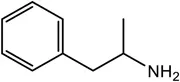 | Ethanol  | Heroin 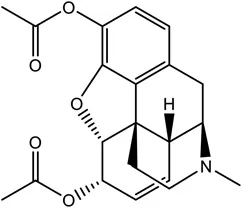 |
Ketamine 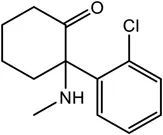 | ||
Methamphetamine 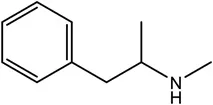 | ||
Codeine 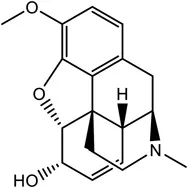 | ||
| Benzodiazepines | ||
MDMA 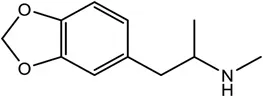 | Valium (Diazepam) 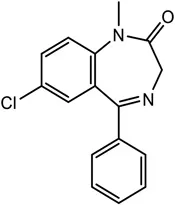 | |
| Hallucinogens/psychedelics | ||
Cocaine 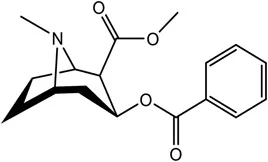 | LSD 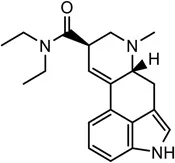 | |
Xanax (Alprazolam) 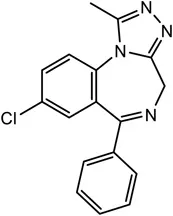 | ||
Nicotine 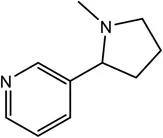 | ||
Cannabis (Δ9-THC) 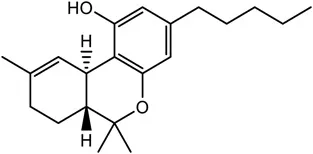 | ||
| Inhalants | ||
Amyl Nitrite  |
1.2.2 Scale of Drug Seizure Samples
Table of contents
- Cover
- HalfTitle
- Series
- Title
- Copyright
- Author Biographies
- Preface
- Contents
- Chapter 1 Detection Strategies for Traditional Illicit Substances
- Chapter 2 Novel Detection Approaches to Tackle the Challenges of Complex Matrices for Alternative Drugs and New Psychoactive Substances
- Chapter 3 Challenges in the Analysis of Toxicological Samples
- Chapter 4 Fingermarks
- Chapter 5 New Challenges in Forensic DNA Analysis
- Chapter 6 Challenges in Fire Investigation
- Chapter 7 Interpretative Challenges for Forensic Chemistry
- Chapter 8 Hybrid Likelihood Ratio Models for Forensic Applications: a Novel Solution to Determine the Evidential Value of Physicochemical Data
Frequently asked questions
- Essential is ideal for learners and professionals who enjoy exploring a wide range of subjects. Access the Essential Library with 800,000+ trusted titles and best-sellers across business, personal growth, and the humanities. Includes unlimited reading time and Standard Read Aloud voice.
- Complete: Perfect for advanced learners and researchers needing full, unrestricted access. Unlock 1.4M+ books across hundreds of subjects, including academic and specialized titles. The Complete Plan also includes advanced features like Premium Read Aloud and Research Assistant.
Please note we cannot support devices running on iOS 13 and Android 7 or earlier. Learn more about using the app